




What a De Quervain’s Release Can Achieve
De Quervain’s tenosynovitis is a condition affecting the tendons at the base of the thumb as they pass through a narrow tunnel at the wrist. When this space becomes restricted it can cause pain, swelling and a catching or grating sensation with thumb and wrist movement.
A De Quervain’s release creates more space for the tendons to move freely. This relieves pain and improves function.


Your Surgical Journey
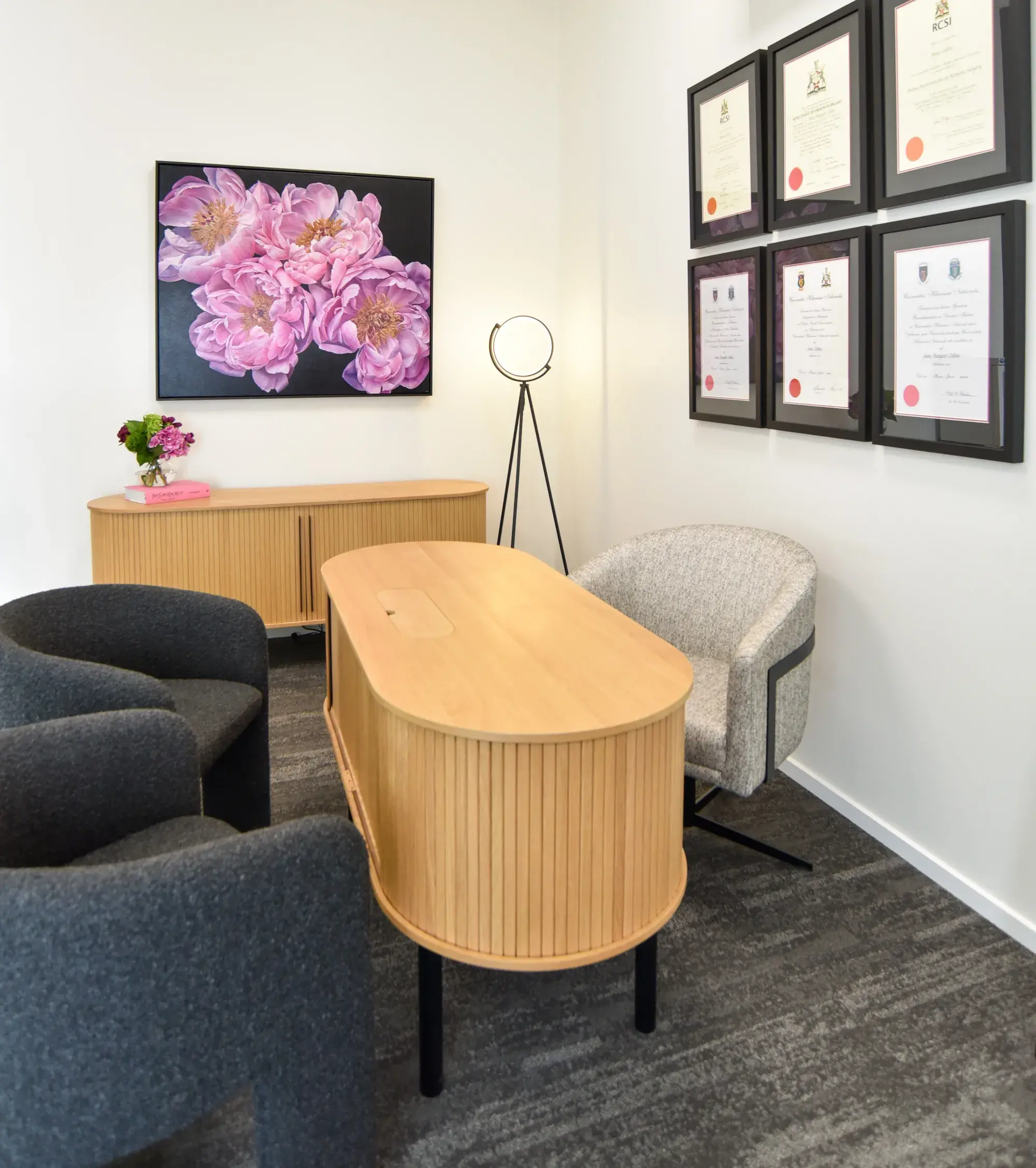
Your surgical journey begins with a comprehensive consultation with Dr Collins at The Surgery. This provides time to assess your symptoms, examine your hand and wrist and discuss your goals and expectations in detail.
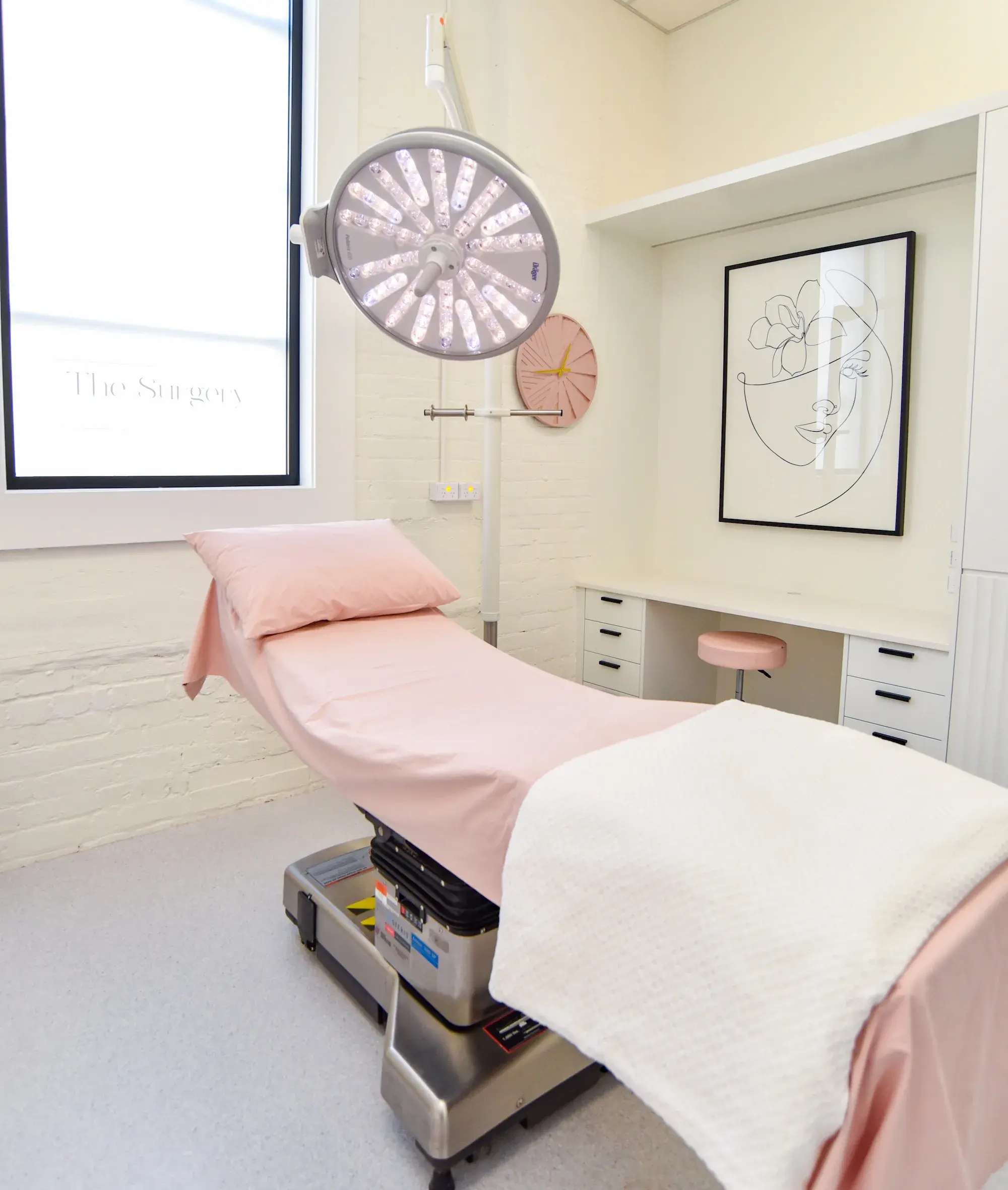
A De Quervain’s release is typically performed as a day procedure under local or general anaesthetic. An incision is made along the thumb side of the wrist and the tight tendon sheath is divided. This creates more space to restore smooth tendon movement.
Recovery and Aftercare
Some swelling, stiffness and tenderness around the wrist are expected after surgery. Hand therapy may be recommended where required. Driving is usually possible after one to two weeks, once you can safely control the vehicle and perform emergency manoeuvres comfortably.
Return to work depends on the nature of your role. Desk-based work is often possible within one to two weeks, while more physically demanding roles may require a longer recovery period.
Is a De Quervain’s Release Right for You?
You may be suitable for a De Quervain’s release if you experience persistent pain, swelling or a catching sensation at the base of the thumb, particularly with use.
A consultation with Dr Collins allows for a personalised assessment of your symptoms and function, and an opportunity to discuss whether surgical release may be the most appropriate management option for you.
De Quervain’s Release in Dunedin with Dr Anne Collins


Frequently Asked Questions

De Quervain’s tenosynovitis is caused by irritation and thickening of the tendon sheath at the base of the thumb as the tendons pass through a narrow tunnel at the wrist. This can cause pain, swelling and a catching or grating sensation with thumb and wrist movement.
A De Quervain’s release is performed as a day procedure under local or general anaesthetic. An incision is made along the thumb side of the wrist and the tight tendon sheath is divided to allow the tendons to move freely. The wound is closed with dissolvable sutures and a protective dressing is applied.
Patients commonly consider surgery when symptoms persist despite non-surgical treatment such as activity modification, splinting, hand therapy or steroid injection, or when symptoms significantly interfere with daily activities.
No. A De Quervain’s release is performed as a day procedure.
Some discomfort, stiffness and swelling around the wrist are expected after surgery. Early mobilisation is encouraged. A sling may be provided to support the hand in the early post-operative period. Keeping the hand elevated, particularly during the first few days after surgery, helps reduce swelling and improve comfort. When resting, the hand should be kept above the level of the heart where possible. Hand therapy may be recommended where required.
Return to work depends on the nature of your role. Desk-based work is often possible within one to two weeks, while more physically demanding roles may require a longer recovery period.
Driving is usually possible after one to two weeks, once you can safely control the vehicle and perform emergency manoeuvres comfortably.
All surgery carries some degree of risk. Potential risks include pain, bleeding, infection, adverse scarring, stiffness, nerve or vessel injury, complex regional pain syndrome, recurrence or the need for further surgery.
Yes. Outcomes vary depending on factors such as the severity and duration of symptoms, individual anatomy and adherence to post-operative care. Expected outcomes, risks and limitations are discussed in detail during your consultation.

Online Enquiry
We would love to hear from you. If you have any questions or would like to make an appointment, please complete your details below.