




Understanding Skin Cancer
The most common types of skin cancer are basal cell carcinomas (BCC) and squamous cell carcinomas (SCC). These typically develop on sun-exposed areas of the skin. BCCs may appear as pearly or translucent nodules, lesions with raised, rolled edges or may be ulcerated. SCCs may present as flat or raised lesions that are scaly, crusted or slow to heal.
BCCs are usually slow growing and remain confined to the skin. Some SCCs can behave more aggressively and may spread to nearby lymph nodes or other parts of the body. Early diagnosis is important as it allows for effective treatment and improves outcomes.


Your Surgical Journey
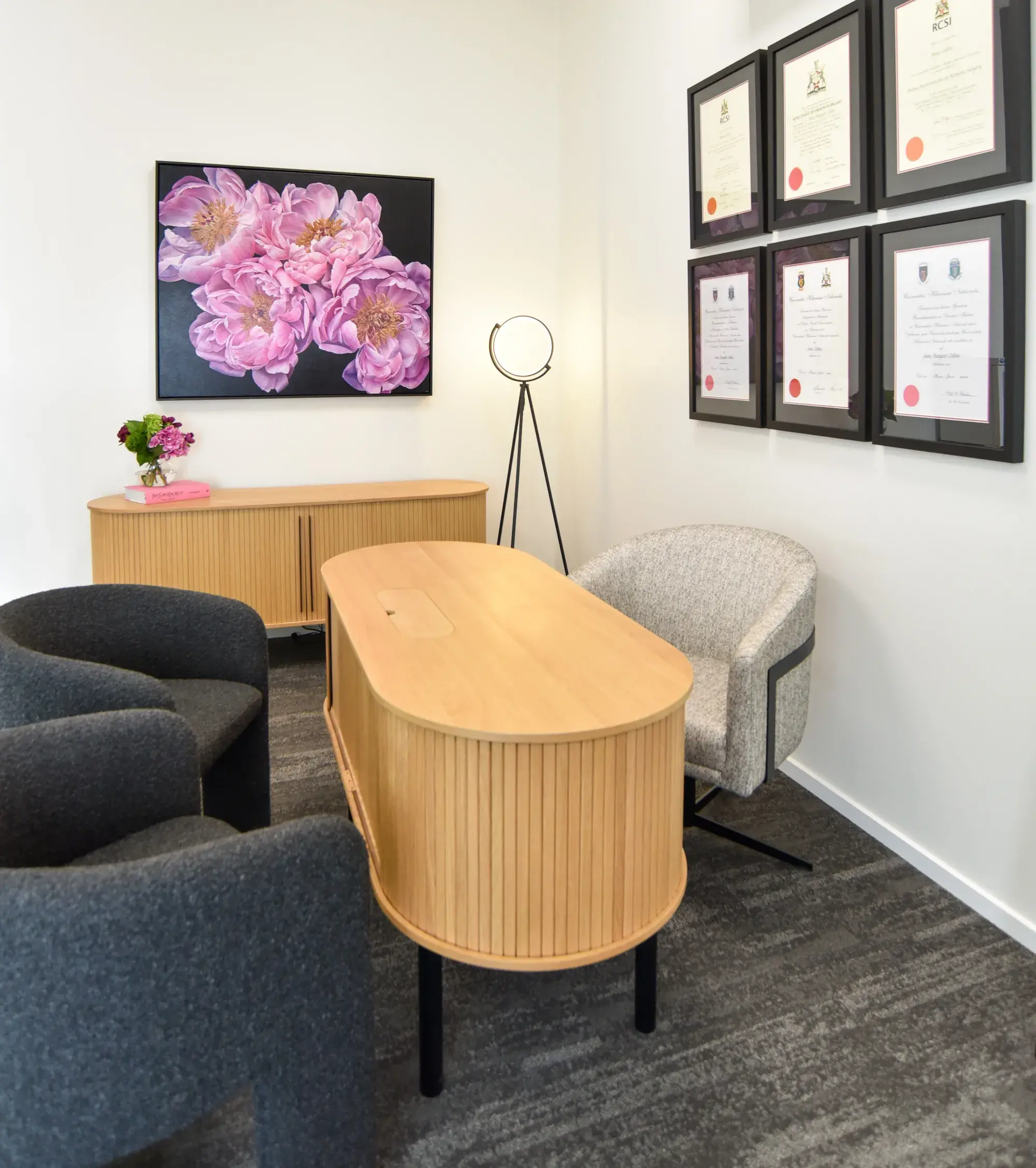
Your surgical journey begins with a comprehensive consultation with Dr Collins at The Surgery. This includes a full skin examination, assessment of regional lymph node basins and, when appropriate, a review of your biopsy results.
Treatment typically involves a wide local excision to remove the lesion with an appropriate margin of surrounding skin. In some cases, reconstruction in the form of a skin graft or a local flap may be required depending on the size and location of the defect.
Recovery and Aftercare
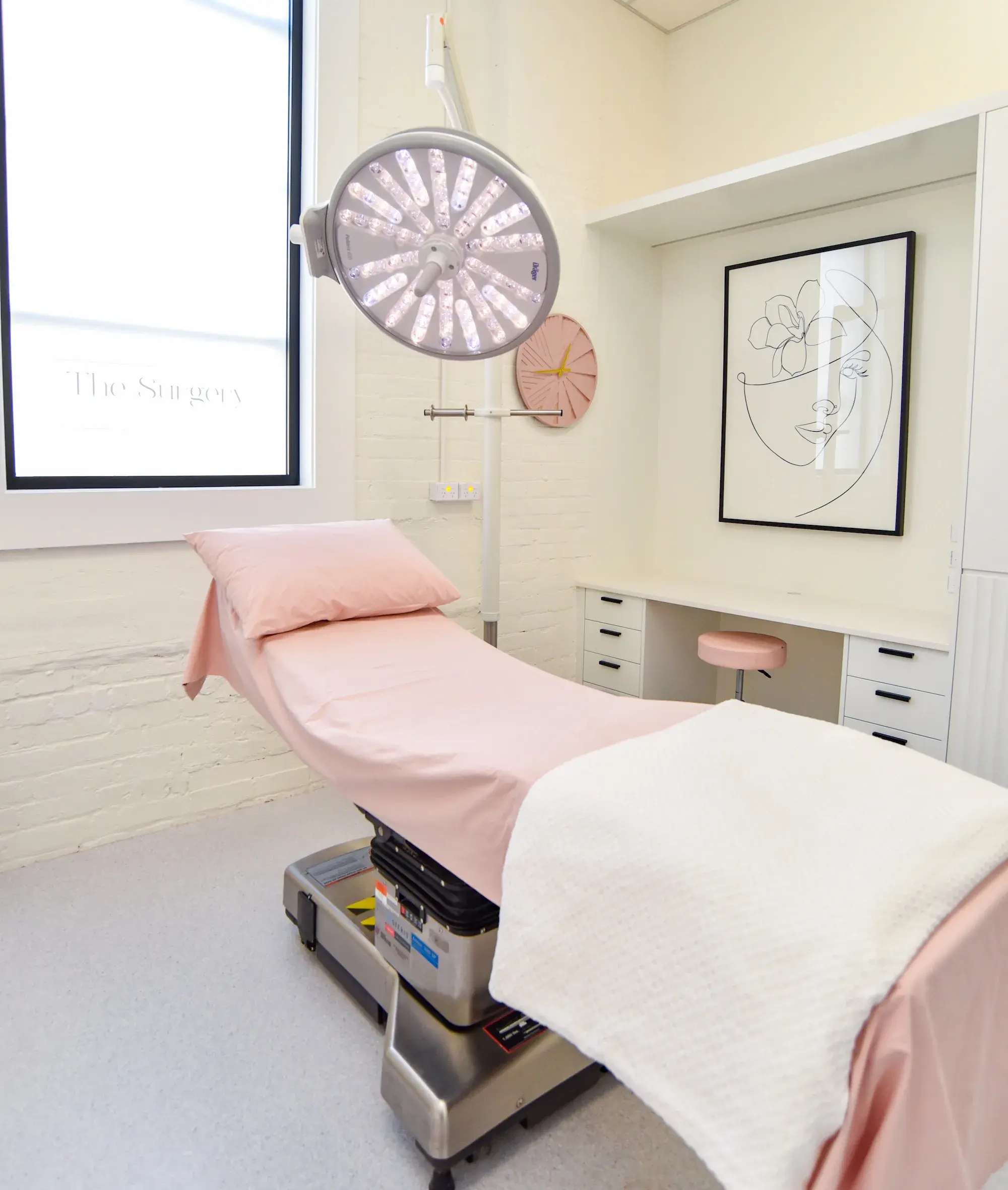
Recovery depends on the extent of the surgery. A wide local excision is often carried out under local anaesthetic as a day procedure. More complex cases may require a general anaesthetic and a short hospital stay.
For desk-based roles, return to work is usually possible within a couple of days following procedures under local anaesthetic and within one to two weeks following general anaesthesia. More physically demanding roles may require a longer recovery period.
Management and Next Steps
Management is guided by the type of skin cancer and the features identified on biopsy. These factors help determine whether further investigations or treatment is required.
A consultation with Dr Collins allows for a personalised assessment and discussion of your results and management options. Where appropriate, a multidisciplinary approach may be recommended to ensure you receive evidence-based and up-to-date treatment.
Skin Cancer Surgery in Dunedin with Dr Anne Collins


Frequently Asked Questions

BCCs may appear as pearly or translucent nodules, lesions with raised, rolled edges or areas that may ulcerate. SCCs may present as flat or raised lesions that are scaly, crusted or slow to heal. Both may be associated with bleeding, tenderness or irritation.
BCCs are usually slow growing and remain confined to the skin. If left untreated, they can continue to enlarge and cause local tissue damage. SCCs can behave more aggressively and in some cases may spread to nearby lymph nodes or other parts of the body. Early diagnosis is important as it allows for effective treatment and improves outcomes.
Risk factors include fair skin, cumulative sun exposure, a history of sunburn, sunbed use and living in high ultraviolet environments such as New Zealand. A personal history of skin cancer and a weakened immune system may also increase your risk.
Surgery typically involves a wide local excision to remove the lesion with an appropriate margin of surrounding skin. In some cases, reconstruction using a skin graft or local flap may be required depending on the size and location of the defect.
A wide local excision involves removing the lesion along with a margin of surrounding healthy skin. This helps ensure the lesion has been completely removed and reduces the risk of recurrence.
BCCs and SCCs are usually treated surgically. In some cases, alternative treatments such as topical therapies or radiotherapy may be appropriate. These options will be discussed with you where appropriate.
Recovery depends on the extent of the surgery. A wide local excision is often carried out under local anaesthetic as a day procedure. More complex cases may require a general anaesthetic and a short hospital stay. Specific aftercare instructions will be provided to support your recovery.
For desk-based roles, return to work is usually possible within a couple of days following procedures under local anaesthetic and within one to two weeks following general anaesthesia. More physically demanding roles may require a longer recovery period.
Driving is usually possible after one to two weeks, once you can safely control the vehicle and perform emergency manoeuvres comfortably.
In higher-risk cases, your care is typically coordinated through a multidisciplinary team. Additional investigations or treatment may be required, including further imaging, additional surgery, radiotherapy or close monitoring with ultrasound. Regular clinical follow-up is important. Your personalised management plan will be discussed with you in detail following review of your histology results.
Yes. A diagnosis of skin cancer increases the risk of developing further skin cancers. Regular follow-up is important to monitor your skin and detect any new or recurrent lesions early.
Regular skin checks and sun protection are important to reduce your risk. If you notice anything new or unusual on your skin, schedule an appointment with Dr Collins at The Surgery for a comprehensive assessment. Early detection ensures lesions are identified and treated promptly, improving long-term outcomes.

Online Enquiry
We would love to hear from you. If you have any questions or would like to make an appointment, please complete your details below.